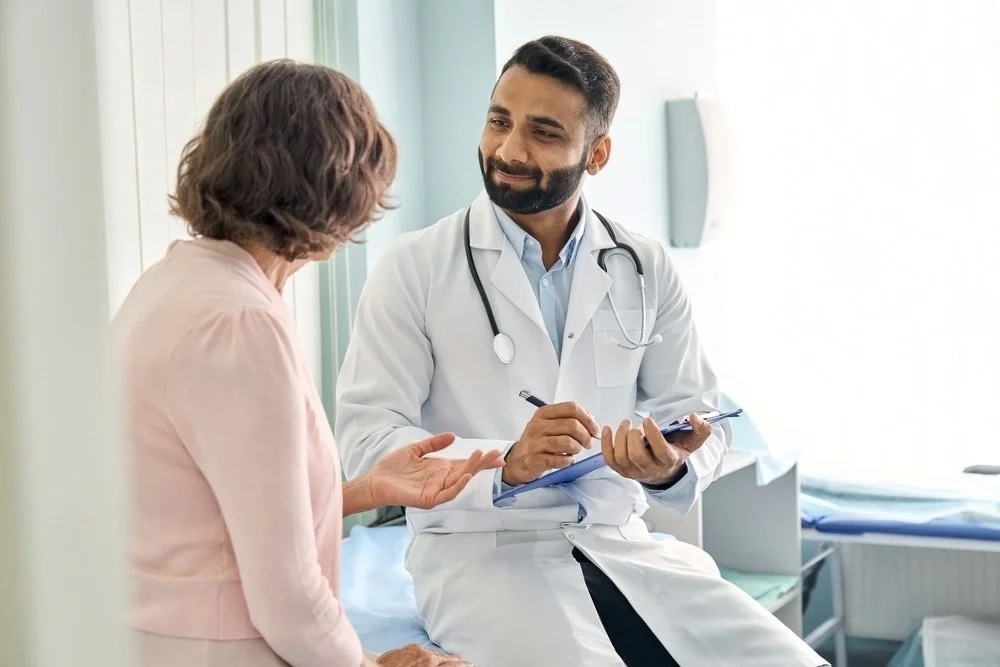
The Necessity of Specialized Clinical Support in Mental Health
Addressing a severe mental health crisis or a long-term dependency requires more than just clinical intervention; it requires a complete change in perspective and surroundings. In a high-pressure urban environment, the ability to focus on recovery can be hindered by the constant presence of daily responsibilities and social triggers. Seeking a professional rehab in delhi provides individuals with a structured clinical environment where the noise of the city is replaced by a focused, therapeutic routine.
Breaking the Cycle Through Residential Care
A residential care model is often the most effective way to manage conditions that have become resistant to outpatient treatment. By entering a dedicated facility, patients receive 24/7 access to a multidisciplinary team of medical experts. This level of supervision is vital for:
- Medication Stabilization: Ensuring that psychiatric medications are adjusted precisely under constant observation for efficacy and safety.
- Behavioral Redirection: Having on-site therapists available to help patients navigate emotional crises as they happen, rather than waiting for a weekly appointment.
- Physical Safety: Providing a secure, judgment-free space that protects the individual from the external factors that contribute to their distress.
Integrating Evidence-Based and Holistic Therapy
Modern recovery programs bridge the gap between rigorous medical science and holistic well-being. Leading facilities in the Delhi area utilize a variety of modalities to ensure a comprehensive recovery. Cognitive Behavioral Therapy (CBT) remains a cornerstone, helping patients identify the root causes of their behavior. Simultaneously, lifestyle rehabilitation—which includes regular sleep cycles, proper nutrition, and mindfulness—helps rebuild the biological foundation of a healthy mind.
The Path to Sustainable Reintegration
The ultimate goal of any professional rehabilitation program is to equip the individual with the skills needed to return to society as a functional, independent adult. This involves not only the patient’s hard work but also the education and involvement of their family. By building a supportive and informed home environment, specialized centers ensure that the transition back to daily life is as smooth and sustainable as possible.












Post Comment