Expert Guide to the Best Medicare Advantage Plans for 2026
As healthcare continues to evolve in the United States, seniors are increasingly seeking reliable coverage options that balance affordability, flexibility, and comprehensive benefits. Rising medical costs, expanded telehealth services, and increased focus on preventive care are reshaping how individuals evaluate their insurance choices. Many retirees are now comparing coverage networks, prescription drug support, and out-of-pocket limits more carefully than ever before. In this changing landscape, understanding how to evaluate Best Medicare Advantage Plans for 2026 has become essential for making informed healthcare decisions that support long-term well-being and financial stability. This guide breaks down emerging trends, statistical insights, and commonly asked questions to help simplify the selection process.
Top Trending Insights for 2026
Healthcare analysts predict several major shifts in Medicare Advantage offerings in 2026. One of the strongest trends is the expansion of zero-premium plan availability in more regions, driven by competition among insurers and policy adjustments. Another significant development is the increased inclusion of supplemental benefits such as dental, vision, hearing, transportation, and over-the-counter allowances.
Telehealth integration is also expected to remain a permanent feature rather than a temporary convenience, with many plans enhancing digital access to primary care and mental health services. Additionally, there is a growing emphasis on chronic disease management programs, especially for diabetes, cardiovascular conditions, and arthritis care.
Another notable trend is the tightening of provider networks to control costs while improving coordinated care outcomes. This means beneficiaries are encouraged to review in-network coverage more carefully than in previous years. Overall, the 2026 landscape is shifting toward value-based care models that reward preventive health and early intervention.
Key Statistics Overview
Recent projections highlight important statistics shaping Medicare Advantage adoption:
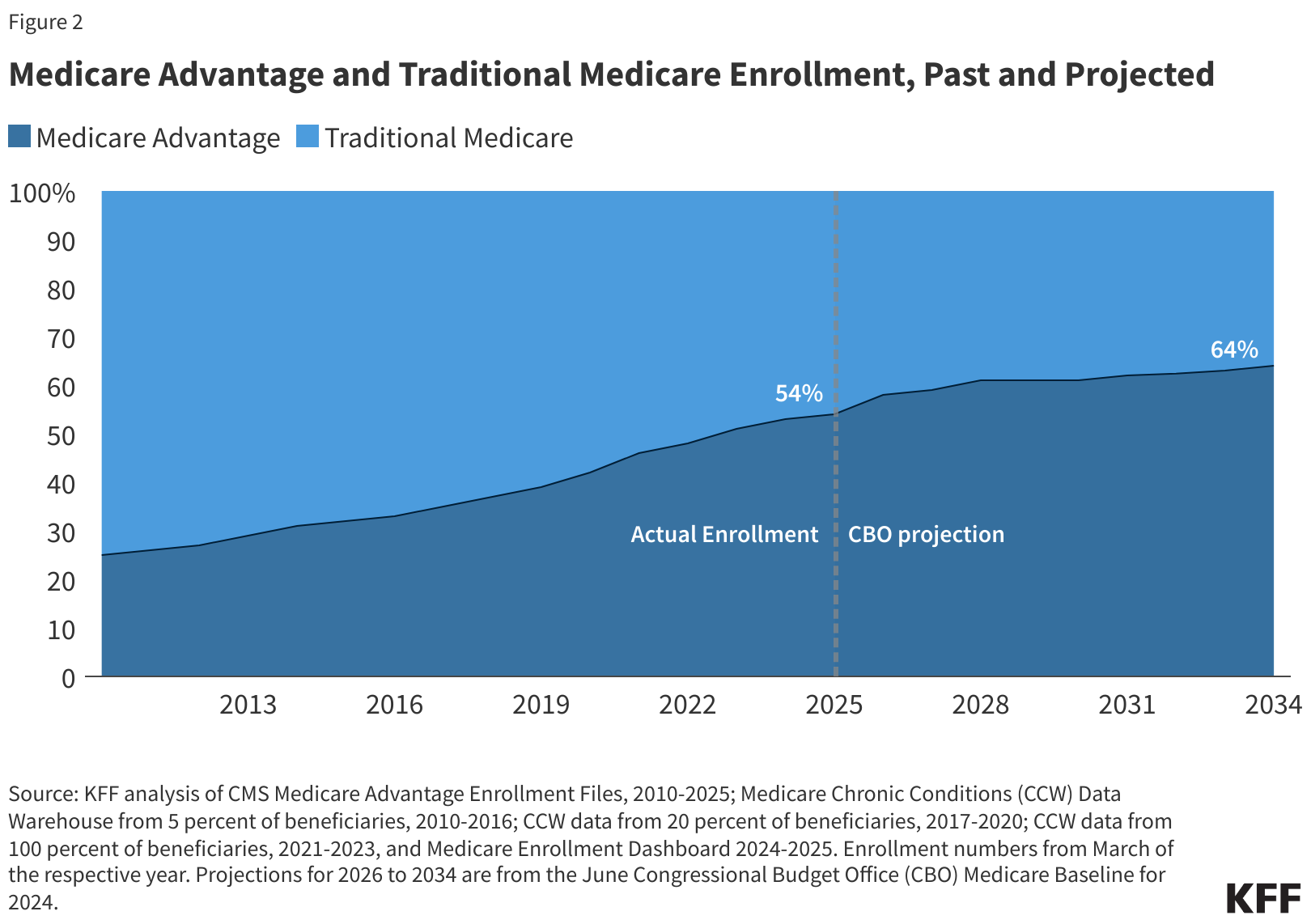
Enrollment in Medicare Advantage is expected to exceed 35 million beneficiaries in 2026.
Nearly 60% of all Medicare-eligible individuals are projected to choose Advantage plans over Original Medicare.
Over 85% of plans are expected to include prescription drug coverage bundled within the same policy.
Approximately 70% of plans now offer additional wellness benefits such as gym memberships or fitness incentives.
Out-of-pocket maximum limits continue to remain a critical factor, with most plans averaging between moderate to low annual caps depending on region.
These figures reflect a clear shift toward managed care models that prioritize affordability and preventive health access while maintaining structured provider networks.
Considerations About Plan Selection
What factors matter most when choosing a Medicare Advantage plan in 2026?
The most important considerations include monthly premiums, out-of-pocket limits, prescription drug coverage, and the size of the provider network. Beneficiaries should also evaluate whether their preferred doctors and hospitals are included in-network, as this significantly impacts overall care accessibility and cost efficiency.
How are benefits evolving compared to previous years?
In 2026, plans are becoming more comprehensive, particularly in supplemental services. Coverage for dental procedures, vision exams, hearing aids, and wellness programs is expanding. Many insurers are also incorporating digital health tools, allowing members to track conditions, schedule virtual visits, and manage prescriptions more efficiently.
Are costs expected to increase significantly?
While some premiums may rise due to healthcare inflation, competitive market conditions are helping stabilize overall costs in many regions. The introduction of value-based care incentives is also helping control long-term expenses by reducing unnecessary hospital visits and improving preventive care outcomes.
What is the most important trend to watch?
The most important trend is the shift toward personalized healthcare management. Plans are increasingly using data-driven insights to tailor care recommendations, improve chronic disease outcomes, and reduce emergency care dependency. This approach is expected to redefine how beneficiaries experience healthcare support over the next several years.
Final Outlook for 2026 Planning
The Medicare Advantage market in 2026 is shaping up to be more competitive, technology-driven, and patient-focused than ever before. With expanded benefits, improved digital access, and stronger emphasis on preventive care, beneficiaries have more options to customize their healthcare experience. However, careful evaluation remains crucial, as differences in networks, costs, and coverage structures can significantly influence overall satisfaction. Understanding these evolving patterns empowers individuals to choose plans that align with both their health needs and financial goals for the year ahead.













Post Comment